November 6, 2026
Preventing falls is an important part of helping older adults maintain their safety, confidence, and independence. While falls can happen for many reasons, simple changes to everyday routines and living spaces can help reduce common risks. Understanding potential hazards, knowing when to ask for assistance, and working together can make a meaningful difference.
At Cedar Trails Senior Living, I believe fall prevention starts with awareness, communication, and recognizing that everyone’s needs are different. What works well for a resident one day may need to change the next, especially when strength, balance, or mobility are affected.
As Wellness Director, I encourage residents, families, and team members to pay attention to everyday hazards while remaining aware of changes in how residents feel and move.
Some of the most common fall hazards we see in resident apartments involve rugs, clutter, and inadequate lighting.
Rugs are one of my biggest concerns. Loose rugs can shift, curl at the edges, or catch on someone’s feet or mobility aid. For that reason, we generally discourage residents from having them in their apartments.
If a resident prefers to keep a rug, we encourage families to discuss safer options with the care team. The rug should lie flat and remain securely in place, although removing loose rugs is generally the safest choice.
Clutter is another important consideration. Too much furniture or too many belongings in a smaller apartment can make everyday movement more difficult.
I encourage residents to keep clear pathways between frequently used areas, including the bedroom, bathroom, and living room. Doorways and areas around furniture should also remain free of unnecessary items.
Good lighting can make a meaningful difference, particularly at night. Poorly lit spaces may make it harder to see obstacles or changes in flooring.
Lamps and light switches should be easy to reach. Nightlights in the bedroom, bathroom, and along the path between them can also help residents navigate more safely after dark.
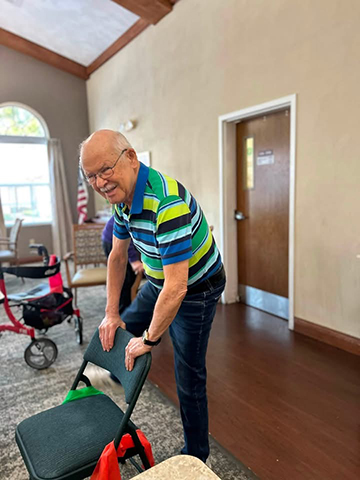
Footwear is another simple part of fall prevention. Properly fitting, supportive shoes with slip-resistant soles can help provide stability while walking.
These adjustments may seem small, but together they create a more comfortable environment where residents can move with greater confidence.
One of the most important things I remind our team is that a resident’s abilities can change from day to day.
Someone who walked independently yesterday may feel weaker or less steady today. Fatigue, illness, or other changes can affect balance and mobility, even when the difference seems minor.
That’s why communication is so important.
I often remind team members and families, “If you see something, say something.”
If a care partner notices a potential hazard or has an idea for making an apartment safer, I want that information shared with the team. Families should feel comfortable raising concerns, too.
By communicating openly, we can work together to make adjustments that reflect each resident’s current needs.
It also helps to look at the apartment from the resident’s perspective. Something that seems easy to navigate for one person may present a challenge for someone with limited strength or balance.
We should never assume that yesterday’s abilities automatically reflect today’s needs.
Residents also have an important role in recognizing changes in how they feel.
If someone becomes dizzy, weak, tired, or unsteady, they should stop what they are doing and sit down safely if possible. They should not continue walking or attempt a task simply because they have done it independently before.
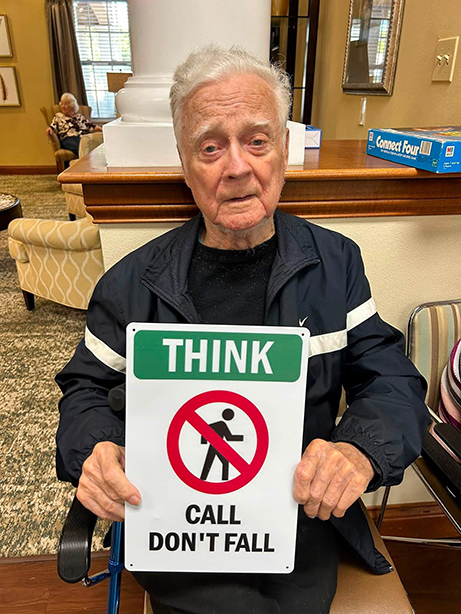
Instead, I encourage them to use their call pendant or call button and wait for assistance.
New or worsening changes in balance, strength, or mobility should be reported to our Wellness team. This allows us to evaluate the situation and determine whether additional follow-up with a healthcare provider or therapy professional may be needed.
Taking time to move safely is equally important. Rushing to stand, walk, or complete a task can create unnecessary risks.
Staying hydrated throughout the day can also support overall wellness, provided residents follow any fluid recommendations or restrictions from their healthcare provider.
My simplest fall-prevention tip is to slow down and don’t be afraid to ask for help.
Before getting up or starting an activity, take a moment to assess how you feel. If something seems different or you are unsure whether you can safely complete a task, request assistance.
Asking for help is not a loss of independence. It is a way to make thoughtful decisions that help protect it.
At Cedar Trails Senior Living, our goal is to support residents as their needs change while helping them maintain the confidence and independence they value.
Cedar Trails Senior Living in Freeburg, IL, offers assisted living, and memory care with a variety of services and a range of floor plan options. Amenities include restaurant dining, 24-hour bistro, concierge service, housekeeping, events and entertainment, personal care, transportation services, and more. Centrally located near St. Elizabeth’s Hospital with convenient access to major shopping centers, including The Orchards Golf Club, Target, Eckerts Belleville Farm, Braeutigam Orchards, and the Belle Clair fairgrounds & Expo Center.

Cedar Trails Senior Living serves and employs individuals of all faiths, regardless of race, color, gender, sexual orientation, national origin, age or handicap, except as limited by state and federal law.